

ChatGPT Sent You Traffic on May 7. The Question Is What For.
On May 7, ChatGPT turned brand mentions into clickable links and referral traffic jumped. The spike everyone is quoting is an average, and an average describes no brand exactly. Six questions to ask of your own data to find out what the change did to yours.
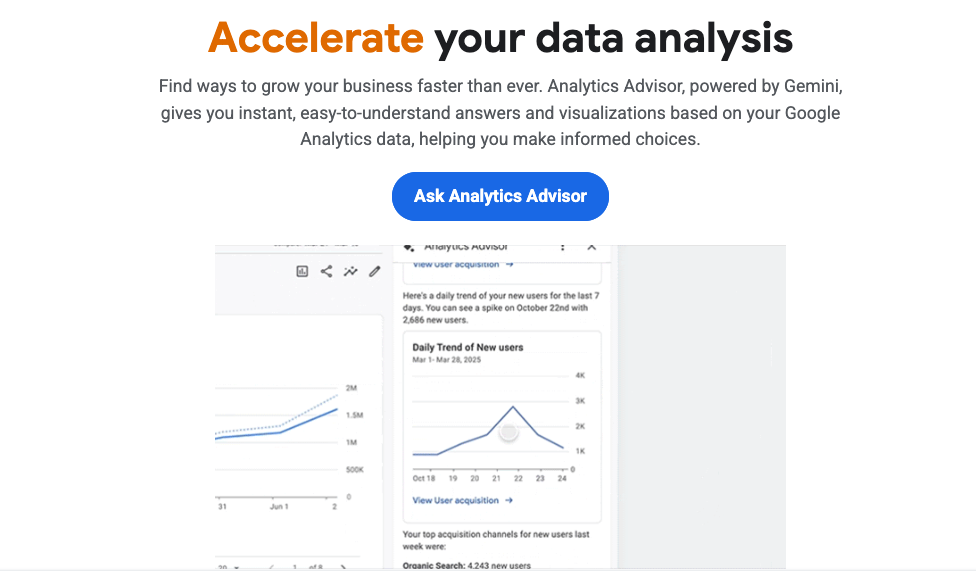
We Took Google's New AI Analyst for a Test Drive
Google is actively marketing Analytics Advisor, pitched as your "always-on data analyst." It's the latest in a wave of vendor AI tools prompting brands to reconsider how they staff analytics work, and in some cases, to replace humans with tools like this one. Before drawing conclusions, we ran it through four kinds of questions against real enterprise GA data: reporting, diagnostic, strategic, and anomaly. The results were more nuanced than the marketing suggests.
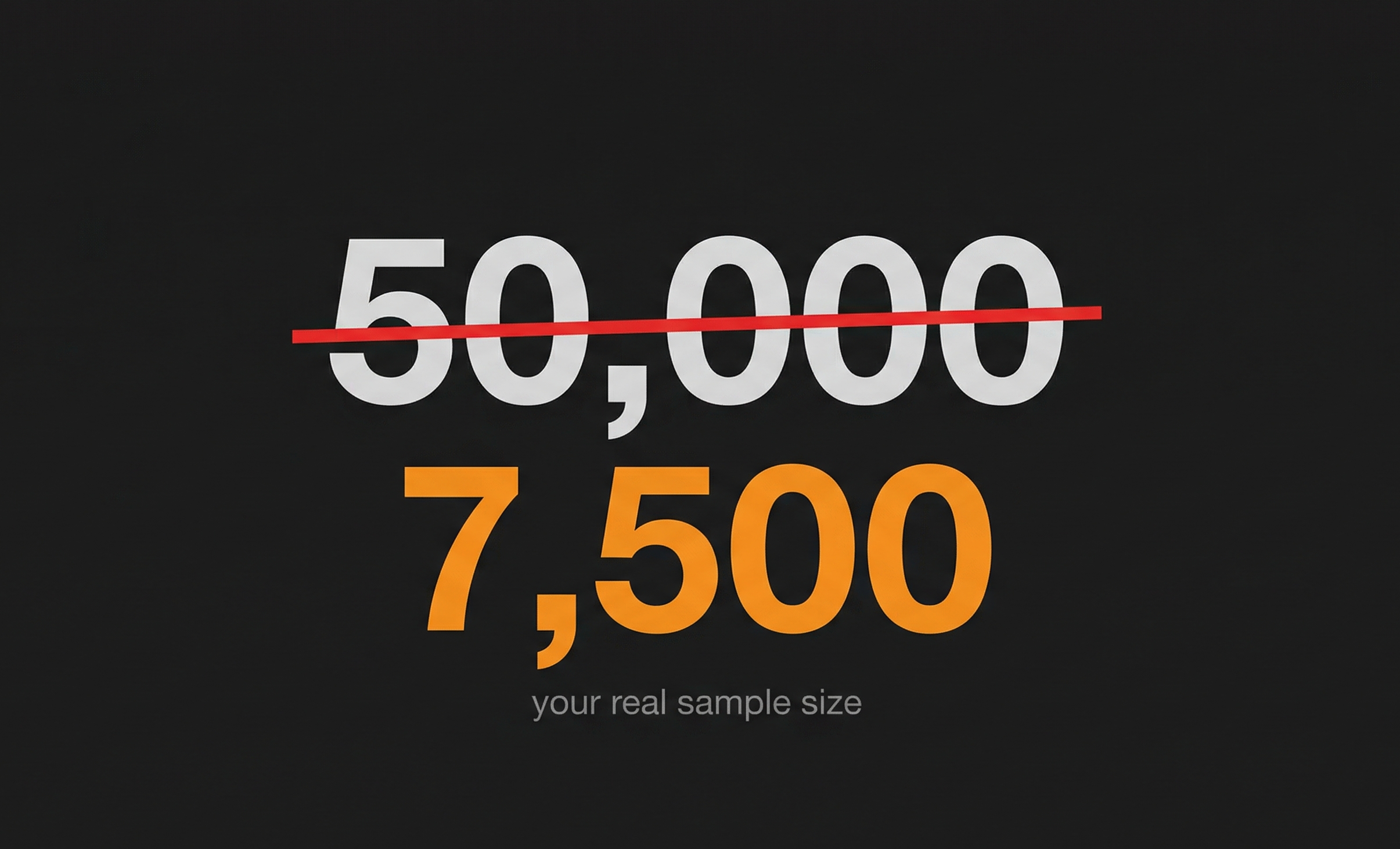
Your A/B Test Is Counting People Who Never Saw It
A/B testing platforms bucket every visitor the moment a page loads, whether they interact with your test or not. If you're testing a mini-cart experience that only 15% of visitors ever open, the other 85% are noise in your results. We've spent years writing custom JavaScript to work around this. Optimizely's Conditional Activation replaces all of that with a dropdown.

We tore apart two hotel booking experiences. Here's what we actually look at.
When our clients ask how they compare to competitors, we don't just browse the website. We inspect what they're measuring, how they're measuring it, and what that reveals about their priorities. Here's a sneak peek how we do it.
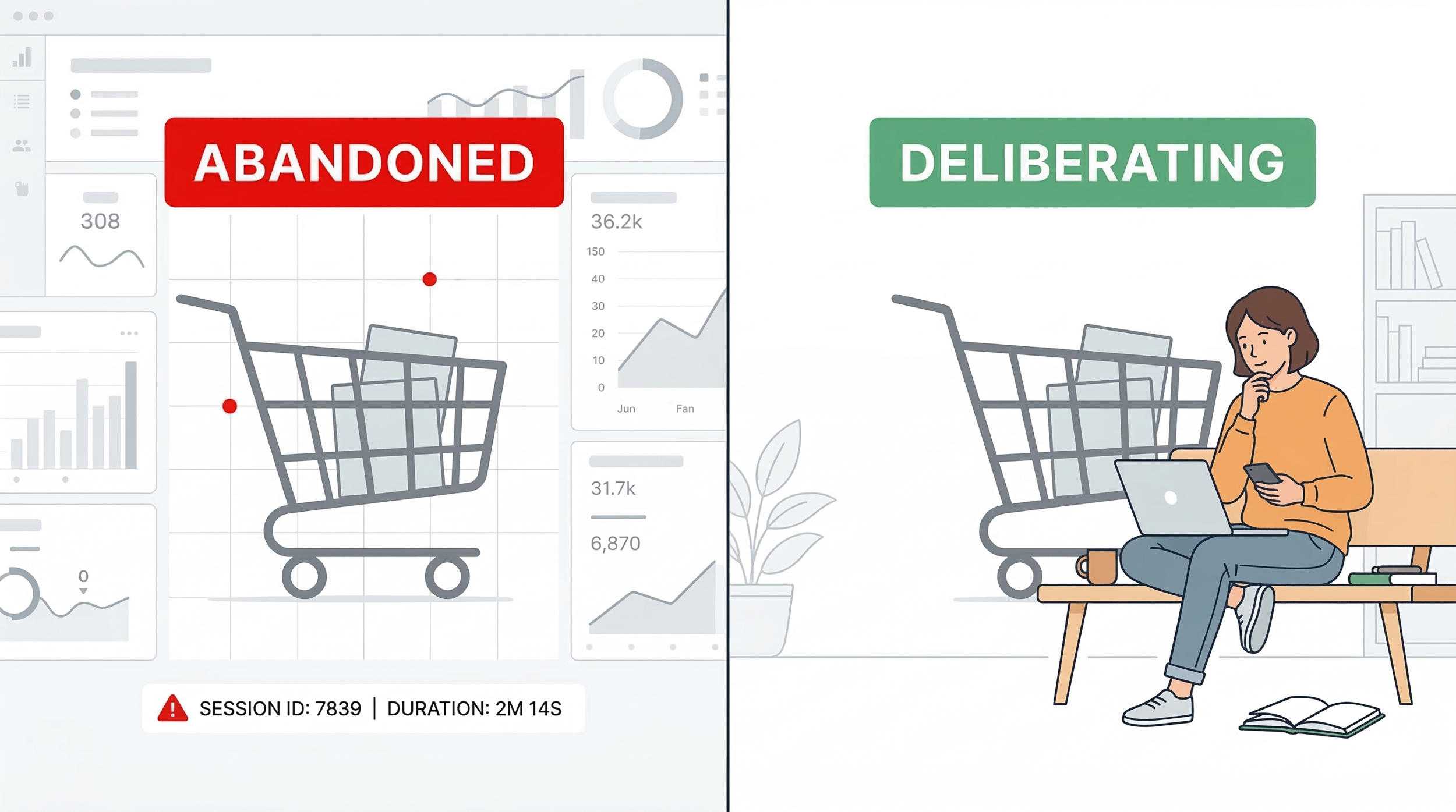
Your Customers Aren't Abandoning Their Cart — They're Thinking
Cart abandonment rate hides three completely different behaviors. The analysts who split them apart are the ones who find something actionable.
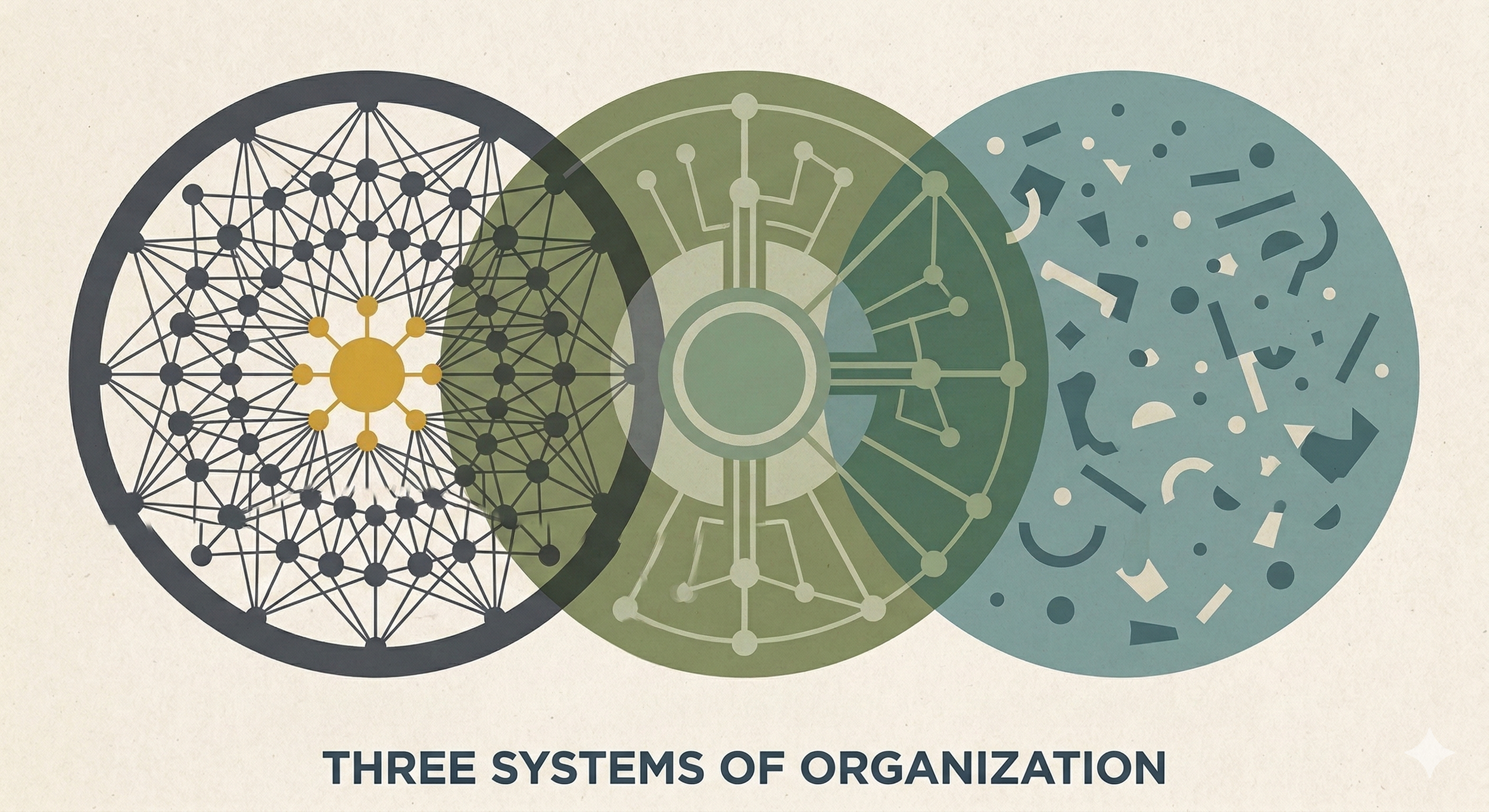
Your Data Team Structure is Probably Wrong
There are two dominant philosophies for structuring data teams: centralized and distributed. Both are wrong. Centralized teams have the expertise but lack business context. Distributed teams have proximity but lack leadership, governance, and consistent data. The answer is a hybrid, centralized expertise with embedded liaisons in the business units you serve. Here's why, and how to rank the three models.
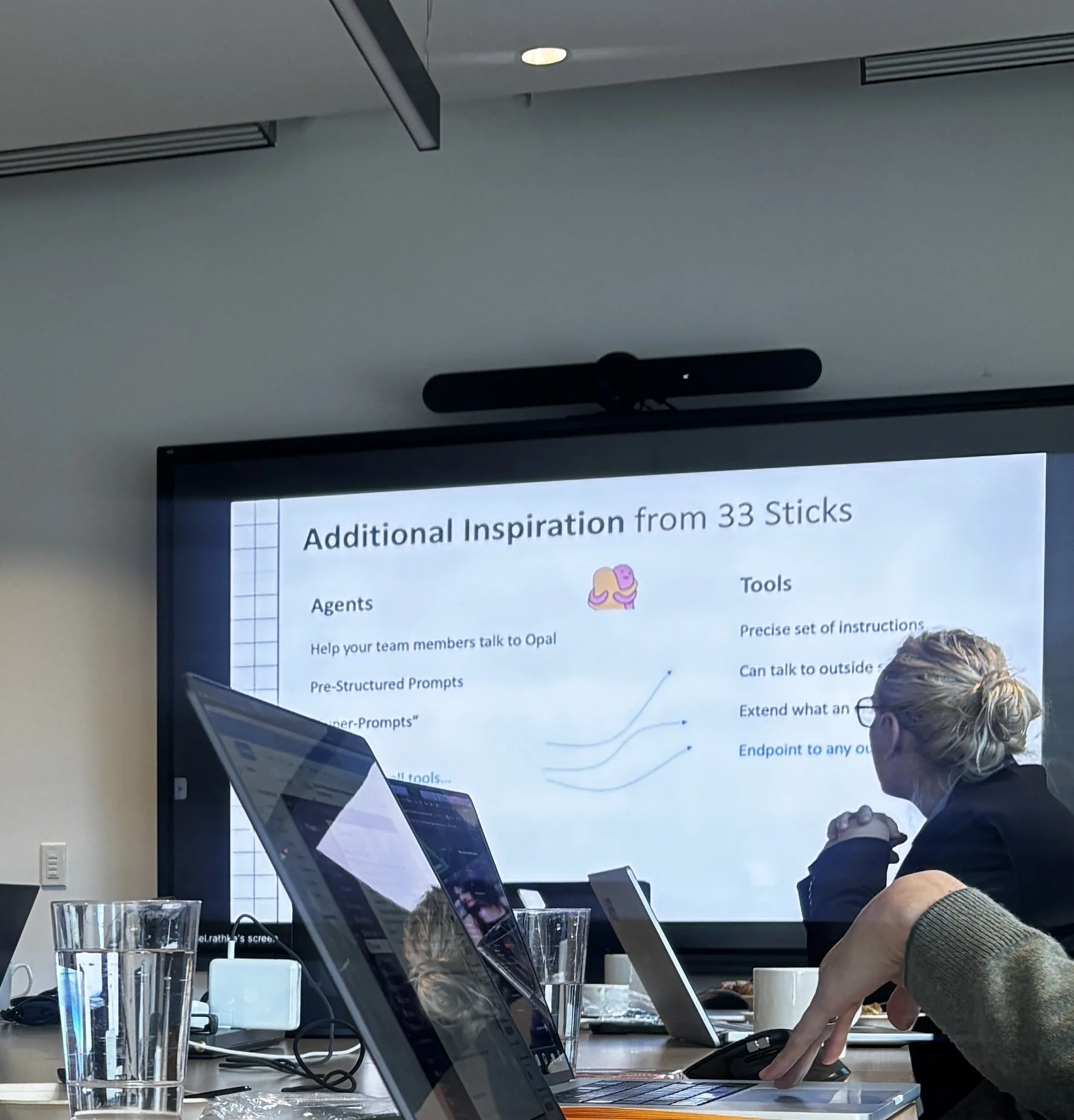
What If Your Optimization Team Could Answer Their Own Data Questions?
The organizations that will lead over the next few years aren't the ones with the best point solutions. They're the ones that connect their tools into a system where data flows to wherever decisions are being made — without requiring a human intermediary for every question.

More A/B Tests Won't Save You
The best testing programs we've seen aren't the ones that run the most tests. They're the ones where every test has a reason, every result gets analyzed with intellectual honesty, and the people doing the work are trusted to do it well. Volume is a byproduct of maturity, not a substitute for it.

Under the Hood at 33 Sticks: What Four Months Taught Me About Data, Strategy, and What Really Matters
I was hired without a CV. I learned that 2-hour meetings are a scam. And I discovered that being called 'difficult' often just means refusing to shrink into systems that weren't built for real innovation. A reflection on four months that permanently raised my standards for how I want to work.

Data Theater: What McKinsey's AI Report Actually Says (And What LinkedIn Gurus Won't Tell You)
McKinsey's latest AI research is everywhere on LinkedIn: "57% of jobs automated! $2.9 trillion opportunity!" But the viral posts are cherry-picking stats and stripping context. We read the actual 60-page report. Here's what decision-makers need to know instead.

How to Spot Bad Data: A Case Study in Corporate Research Theater
The viral Empower survey about Gen Z salaries? Methodologically worthless. Learn the 7 red flags to spot bad data and protect yourself from misleading research.

Why "More Data" Won't Make Your AI Smarter
With AI, the temptation to move fast is almost irresistible. You get instant outputs, the thrill of novelty, the satisfaction of "adopting AI" before your competitors. It's a quick high.
But like any quick high, it wears off fast and leads to disappointment. Three months later, you're back where you started—except now you've also eroded team confidence in AI and wasted time on generic outputs that didn't move the business forward.

AI as a Forcing Function for Organizational Maturity
Most enterprise experimentation teams know they lack formalized process. They feel it daily in the endless prioritization debates, the ad-hoc QA checks, the experiments that launch without clear success criteria, the results that spark more questions than answers.

Why We Created "You Are The Analyst" — And What It Teaches About Real-World Analytics
If you're an analyst who's ever felt that nagging doubt when reviewing data that "looked right" but felt wrong, then this game is for you.

The $100,000 Question Nobody Wants to Answer
If your reason for implementing these technologies is "because everyone else is doing it," or "because our board is telling us we need to," or "because my friend at another company is doing it" - my experience has shown me, over and over again, that you're destined to fail.

You Don't Need to Be an Analyst to Think Like One
I need to tell you something that might change how you see yourself: you already have the capacity to be an analytical thinker. You don't need a statistics degree. You don't need to know how to query a database. You don't need to become an analyst.

The Maturity Paradox: Why Small Changes Drive Big Results in Enterprise Optimization
The CRO industry has it backwards. While agencies push "big, bold changes" and platforms promise "30% conversion lifts," the most sophisticated enterprise programs are finding massive value in subtle improvements that inexperienced teams would dismiss as trivial. This isn't about settling for small wins, it's about understanding how human psychology, business maturity, and compound growth actually work at scale.

Welcoming Our Newest ETSU Intern: Wambui Kang'ara
For Wambui, choosing 33 Sticks wasn't just about fulfilling an internship requirement, it was about finding the right environment for meaningful growth. With her experience, she sought a boutique agency with specialized offerings and a reputation for excellence.
"At this stage in my career, joining a boutique agency felt essential, somewhere with a tailored service offering and a reputation for excellence. I wanted more than just 'checking the box' for my master's internship, I wanted an enriching, really focused experience that truly aligned with my goals."
Perhaps most importantly, she was drawn to our people-first philosophy. "Success to me, is about building with integrity and people at the center. That people-first approach made me confident this is the right place to grow and receive invaluable mentorship."

When Data Becomes Disinformation: A Call for Ethical Analytics
Disinformation is not confined to politics or public health, it lives wherever data can be bent to serve an agenda. Analysts hold a unique responsibility as translators of data into action.
When we strip away context or selectively frame numbers, we risk becoming part of the same machinery that erodes public trust.
At 33 Sticks, we believe ethics cannot be optional. Our manifesto commits us to objectivity, transparency, and context because without objectivity, the true value of data is lost.

Why Data Teams Are Sabotaging Their Own Strategic Influence
For the past fifteen years, i’ve worked with data practitioners across industries, retail, healthcare, tech, finance, entertainment. Different businesses, same story. Teams feel frustrated and underappreciated. They’re buried in requests for reports and dashboards, treated as service providers, and excluded from strategic conversations.
The complaints are familiar:
“We don’t have a seat at the table.”
“The business doesn’t respect us.”
“Leadership ignores our insights.”
Yet beneath the frustration lies a paradox. The very behaviors and beliefs that define how most data teams work are the same ones sabotaging their influence. We want respect but avoid accountability. We want to be strategic, but we refuse to step into the role.